

Kroll: grip op fysieke risico’s in een digitale wereld
(View the English version below)
Kunstmatige intelligentie verandert de manier waarop organisaties werken, communiceren en beslissingen nemen. Maar achter die digitale revolutie schuilt een fysieke infrastructuur die steeds kwetsbaarder wordt. Datacenters draaien op volle capaciteit, energienetten staan onder druk en geopolitieke spanningen maken toeleveringsketens minder voorspelbaar. Tijdens het NARIM Congres 2026 laat Kroll zien waarom risicomanagement rondom AI allang niet meer alleen draait om cyberdreigingen, maar juist ook om tastbare, fysieke risico’s.
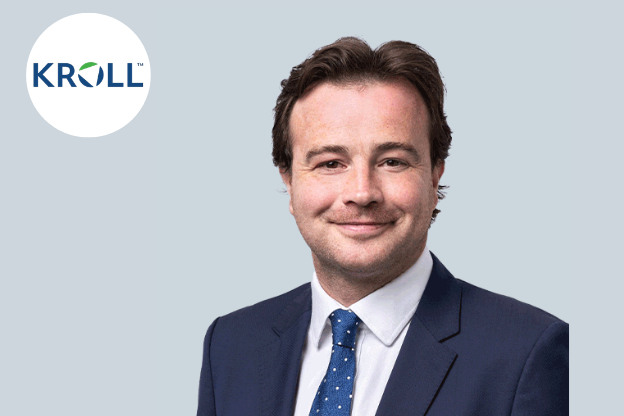
In de sponsorsessie Quantifying Physical Risk in Digital Infrastructure: Data Centres Under AI Load neemt Kroll deelnemers mee in de impact van AI op de fysieke ruggengraat van de digitale economie. Volgens Matthew Wright, Managing Director bij Kroll, is juist die combinatie van risico’s kenmerkend voor de huidige tijd. “In de huidige wereld, die wordt gekenmerkt door geopolitieke onrust en klimaatstress, zet de snelle groei van AI de fysieke infrastructuur die deze technologie ondersteunt – en daarmee bedoel ik datacenters – steeds verder onder druk.”
Van cyberrisico naar fysieke kwetsbaarheid
Waar AI vaak wordt gekoppeld aan software, data en cybersecurity, richt Kroll de aandacht nadrukkelijk op de fysieke infrastructuur achter deze technologie. Datacenters krijgen te maken met nieuwe risico’s door extreme weersomstandigheden, instabiele energienetten, watertekorten, geopolitieke spanningen en verstoringen in de supply chain. Tegelijkertijd stijgt de compute density explosief door de groeiende vraag naar AI-toepassingen. “De risico’s rondom AI zijn niet langer alleen cybergerelateerd of immaterieel, maar worden steeds vaker fysiek, meetbaar en verzekerbaar”, aldus Matthew. Voor organisaties betekent dit dat traditionele risicomodellen niet langer volstaan. Bedrijven moeten niet alleen inzicht hebben in hun digitale weerbaarheid, maar ook in de staat, waarde en kwetsbaarheid van hun fysieke assets.
Data als basis voor betere beslissingen
Kroll is wereldwijd actief als risk advisory-organisatie en ondersteunt bedrijven bij het identificeren, beheersen en mitigeren van risico’s. Binnen de divisie Fixed Asset Advisory Services richt Matthew zich op het verbeteren van asset visibility, waarderingen en risico-inzicht voor organisaties in het Verenigd Koninkrijk, Duitsland en Nederland. Volgens hem vraagt de huidige markt om een veel meer data-gedreven aanpak van risicomanagement. “Bij Kroll staat ‘The Science of Risk’ voor het combineren van data, technische expertise en praktijkervaring om organisaties te helpen weloverwogen beslissingen te nemen in een onzekere omgeving.” Daarbij spelen inflatie, stijgende bouw- en equipmentkosten en geopolitieke onzekerheid een steeds grotere rol. Veel organisaties blijken onvoldoende verzekerd doordat assetdata verouderd of incompleet is. Vooral bedrijven met complexe of geografisch verspreide assets lopen daardoor aanzienlijke financiële en operationele risico’s.
Onderverzekering als onderschat risico
Een van de belangrijkste thema’s tijdens de sessie is het risico van onderverzekering. Door snel stijgende vervangingskosten sluiten verzekerde waarden vaak niet meer aan bij de werkelijke herstelkosten van kritieke infrastructuur. Kroll helpt organisaties deze risico’s inzichtelijk te maken via onafhankelijke reinstatement cost assessments, asset verification en strategisch advies. “Onze aanpak is gebaseerd op feiten en data. We ondersteunen klanten met onafhankelijke herbouwkostentaxaties, assetverificatie en strategische adviesdiensten die zorgen voor meer inzicht en minder onzekerheid.” Die inzichten zijn niet alleen relevant voor verzekeringsvraagstukken, maar ook voor financiële verslaglegging, investeringsbeslissingen en operationele continuïteit.
Samenwerking steeds belangrijker
Voor Kroll is het NARIM Congres vooral een plek om kennis en ervaringen uit te wisselen met risicomanagers, verzekeraars en andere specialisten. Matthew: “We waarderen vooral de mogelijkheid om perspectieven uit te wisselen met vakgenoten, klanten en specialisten uit verschillende sectoren en markten.” Volgens hem wordt samenwerking binnen risicomanagement steeds belangrijker. “Risicomanagement ontwikkelt zich razendsnel en samenwerking wordt daarbij steeds belangrijker. Bij Kroll geloven we dat organisaties het meeste voordeel behalen wanneer technische expertise, betrouwbare data en strategisch inzicht op een praktische manier samenkomen. Risicomanagement ontwikkelt zich supersnel en samenwerking wordt daarbij steeds belangrijker. Bij Kroll geloven we dat organisaties het meeste voordeel behalen wanneer technische expertise, betrouwbare data en strategisch inzicht op een praktische manier samenkomen.”
Met hun sessie wil Kroll laten zien dat de toekomst van AI niet alleen draait om innovatie en rekenkracht, maar ook om de vraag hoe organisaties hun fysieke infrastructuur bestand maken tegen een wereld vol onzekerheden.
Meer weten over deze sponsor?
Meer over Kroll lees je op hun website.
Kroll: Managing physical risks in a digital world
Artificial intelligence is transforming the way organisations operate, communicate and make decisions. Yet behind this digital revolution lies a physical infrastructure that is becoming increasingly vulnerable. Data centres are operating at full capacity, power grids are under pressure and geopolitical tensions are making supply chains less predictable. During the NARIM Congress 2026, Kroll will demonstrate why risk management surrounding AI is no longer focused solely on cyber threats, but increasingly on tangible physical risks as well.
In the sponsor session Quantifying Physical Risk in Digital Infrastructure: Data Centres Under AI Load, Kroll will take participants through the impact of AI on the physical backbone of the digital economy. The session falls within the themes ESG & Geopolitics and also directly connects to AI & Data and Cyber & Digital Resilience. According to Matthew Wright, Managing Director at Kroll, this combination of risks is highly characteristic of the current era. “In today’s geopolitically volatile and climate-stressed world, the rapid growth of AI is intensifying pressure on the physical backbone that supports it—data centres.”
From cyber risk to physical vulnerability
While AI is often associated with software, data and cybersecurity, Kroll deliberately focuses on the physical infrastructure behind the technology. Data centres are increasingly confronted with risks arising from extreme weather events, unstable power grids, water scarcity, geopolitical tensions and supply chain disruptions. At the same time, compute density continues to rise dramatically due to the growing demand for AI applications. “Risks to AI are not only cyber or intangible but increasingly physical, measurable and insurable,” says Matthew.
For organisations, this means traditional risk models are no longer sufficient. Businesses must not only understand their digital resilience, but also the condition, value and vulnerability of their physical assets.
Data as the foundation for better decision-making
Kroll operates globally as a risk advisory organisation, supporting companies in identifying, managing and mitigating risk. Within the Fixed Asset Advisory Services division, Matthew focuses on improving asset visibility, valuations and risk insight for organisations across the United Kingdom, Germany and the Netherlands. According to Matthew, today’s market requires a far more data-driven approach to risk management. “At Kroll, ‘The Science of Risk’ reflects the importance of combining data, technical expertise and practical experience to help organisations make informed decisions under uncertainty.”
Inflation, rising construction and equipment costs and geopolitical uncertainty are playing an increasingly significant role. Many organisations are found to be underinsured because asset data is outdated or incomplete. Businesses with complex or geographically dispersed assets are particularly exposed to significant financial and operational risks.
Underinsurance as an underestimated risk
One of the key themes during the session is the risk of underinsurance. Due to rapidly rising replacement costs, insured values often no longer align with the actual reinstatement costs of critical infrastructure. Kroll helps organisations gain insight into these risks through independent reinstatement cost assessments, asset verification and strategic advisory services. “Our approach is evidence-based and data-driven. We support clients through independent reinstatement cost assessments, asset verification exercises and strategic advisory services designed to improve visibility and reduce uncertainty.” These insights are not only relevant for insurance-related matters, but also for financial reporting, investment decisions and operational continuity.
Collaboration becoming increasingly important
For Kroll, the NARIM Congress is primarily an opportunity to exchange knowledge and experiences with risk managers, insurers and other specialists. Matthew is particularly looking forward to engaging with professionals from different sectors. “We particularly value the opportunity to exchange perspectives with peers, clients and industry specialists across different sectors and markets.” According to Matthew, collaboration within risk management is becoming increasingly important. “Risk management continues to evolve rapidly, and collaboration is becoming increasingly important. At Kroll, we believe organisations benefit most when technical expertise, reliable data and strategic thinking are brought together in a practical way.”
Through this session, Kroll aims to show that the future of AI is not only about innovation and computing power, but also about how organisations can make their physical infrastructure resilient in a world full of uncertainty.
Want to know more about our sponsor?
Visit the website of Kroll.
